Walk through the cobblestone streets of Prague and you will notice something that has been true for centuries: the Czechs love their coffee. The country's cafe culture stretches back to the 17th century, when coffeehouses first appeared as gathering places for intellectuals, artists, and politicians. Today, that tradition continues in a new form, shaped by a generation of specialty roasters and baristas who are pushing the boundaries of what Czech coffee can be.
A Brief History of Coffee in the Czech Lands
Coffee arrived in the Czech lands following the Ottoman expansion into Central Europe. By the late 1600s, the first coffeehouses had opened in Prague, modeled after those in Vienna and Istanbul. These establishments quickly became central to social and intellectual life.
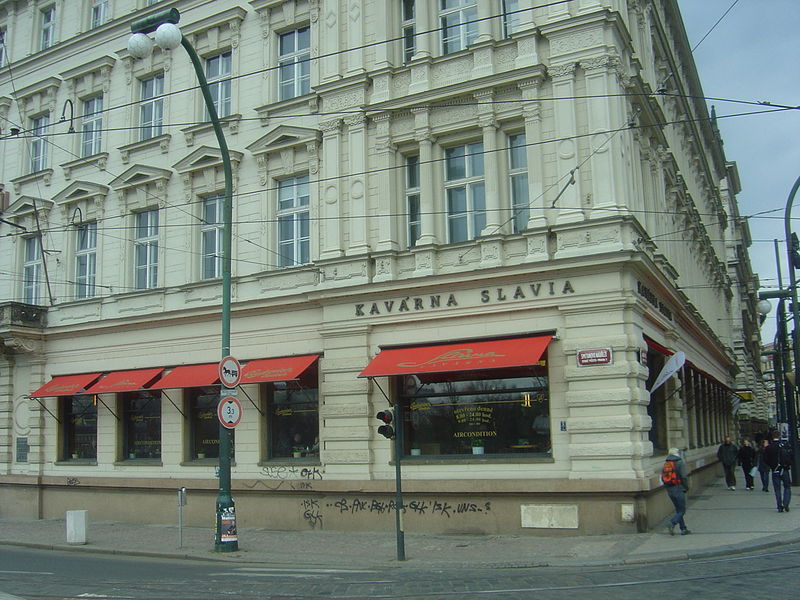
During the 19th century, Prague's cafe culture flourished under the Austro-Hungarian Empire. Grand coffeehouses like Cafe Slavia (founded in 1884) and Cafe Louvre became meeting points for writers, philosophers, and revolutionaries. Franz Kafka himself was a regular at several Prague cafes, where he spent hours writing and discussing ideas with friends.
The communist era from 1948 to 1989 brought significant changes. Many historic cafes closed or were repurposed. Coffee quality declined as imports were restricted, and most Czechs drank "turecka kava" (Turkish coffee), made by simply pouring hot water over fine grounds in a cup. This method, while producing a strong brew, was often seen as a necessity rather than a culinary choice.
The Revival: Post-1989 Coffee Renaissance
After the Velvet Revolution in 1989, the Czech Republic opened its doors to the world, and with it came a renewed interest in quality coffee. Italian espresso culture arrived first, with espresso bars and cappuccino becoming standard offerings. Then, in the late 2000s and early 2010s, the third-wave coffee movement began to take root.
Third-wave coffee treats coffee as an artisan product, similar to wine or craft beer. It emphasizes single-origin sourcing, transparent supply chains, lighter roasting to preserve the bean's natural flavors, and precise brewing techniques. Prague became the epicenter of this movement in the Czech Republic.
Prague's Specialty Coffee Scene
Today, Prague is home to dozens of specialty cafes and roasters that rival those in Berlin, London, or Melbourne. Some notable establishments include:
- Doubleshot - One of the pioneers of Czech specialty coffee. They roast their own beans and have competed at national and international barista championships. Their cafe in Prague's Vinohrady neighborhood is a must-visit.
- EMA Espresso Bar - Located in the center of Prague, EMA combines excellent coffee with a minimalist, design-forward space. They regularly rotate their single-origin offerings and are known for their precise pour-over preparations.
- Kavarna Misto - A community-focused cafe in Karlin that sources beans from respected European roasters. Their relaxed atmosphere makes it a favorite among locals.
- Coffee Source - Both a roastery and a training center, Coffee Source supplies many of Prague's best cafes with freshly roasted beans and also runs barista courses.
Beyond Prague: Coffee Across the Czech Republic
While Prague dominates the specialty scene, other Czech cities are catching up:
- Brno - The country's second-largest city has a growing cafe scene anchored by roasters like Rusty Nails Coffee and SKAUTSKY INSTITUT.
- Olomouc - This university town has several quality cafes, including Cafe 87 and Long Story Short, which combine great coffee with cultural programming.
- Ostrava - The industrial city in Moravia is developing its own coffee identity, with cafes like Industrial Cafe leading the way.
- Cesky Krumlov - Even this small tourist town has embraced quality coffee, with several cafes offering specialty beans alongside traditional pastries.
Traditional vs. Modern: Two Approaches Coexist
One of the most interesting aspects of Czech coffee culture is how the traditional and modern approaches coexist. In many households, especially outside of major cities, "turecka kava" remains the default preparation method. Older generations tend to prefer darker roasts and stronger brews.
Meanwhile, younger Czechs are increasingly drawn to lighter roasts, specialty beans, and alternative brewing methods like V60 and AeroPress. This generational shift has created a dynamic market where traditional cafes and modern specialty shops exist side by side, each serving a different audience but united by a shared appreciation for coffee.

Czech Barista Championships
The Czech Republic hosts annual barista competitions under the Specialty Coffee Association framework. These events have helped raise the profile of specialty coffee in the country and have produced competitors who perform well on the international stage.
The Czech Barista Championship, Czech Brewers Cup, and Czech Latte Art Championship attract participants from across the country, showcasing the depth of talent in the local coffee community. Attending one of these events is a great way to learn about current trends and taste some of the best coffee the country has to offer.
What Makes Czech Coffee Culture Unique
Several factors set Czech coffee culture apart:
- Cafe as social space - Czech coffeehouses have historically been places for conversation, reading, and creative work, not just quick caffeine stops. This tradition continues today.
- Integration with food culture - Many Czech cafes pair their coffee with local pastries like kolace (fruit-filled pastries) or trdlo (chimney cake), creating a complete experience.
- Accessibility - Despite the growth of specialty coffee, prices in the Czech Republic remain more affordable than in Western European capitals, making quality coffee accessible to a wider audience.
- Rapid evolution - The Czech specialty scene has developed remarkably quickly compared to other Central European countries, driven by a young, curious consumer base.
The best way to experience Czech coffee culture is to visit at least three different types of establishments: a historic grand cafe, a modern specialty shop, and a neighborhood local. Each tells a different chapter of the same story.


